
I am thankful to Ursula K. Le Guin. Not for her Earthsea Trilogy, which, despite loving allied genres, I have never read. I will; she is too good a writer to sideline.
A good dictionary can chronicle a language, be a ‘Book of Changes’, an ‘I Ching’, an idea she raises in ‘Things not actually present’ in her collection of talks and essays ‘the wave in the mind’.
We near Remembrance Sunday and doubtless I will sport a poppy: I was brought up to do so. To remember.
But what am I remembering? Not an event which I have directly witnessed. In recording traces of things past in the Forest, I try to make them live again in the minds of people but is this an act of remembrance? See the monument in the photo? It’s near the junction of Beau Chêne and Proefteeltenweg. I don’t personally remember Henry Carton de Wiart.
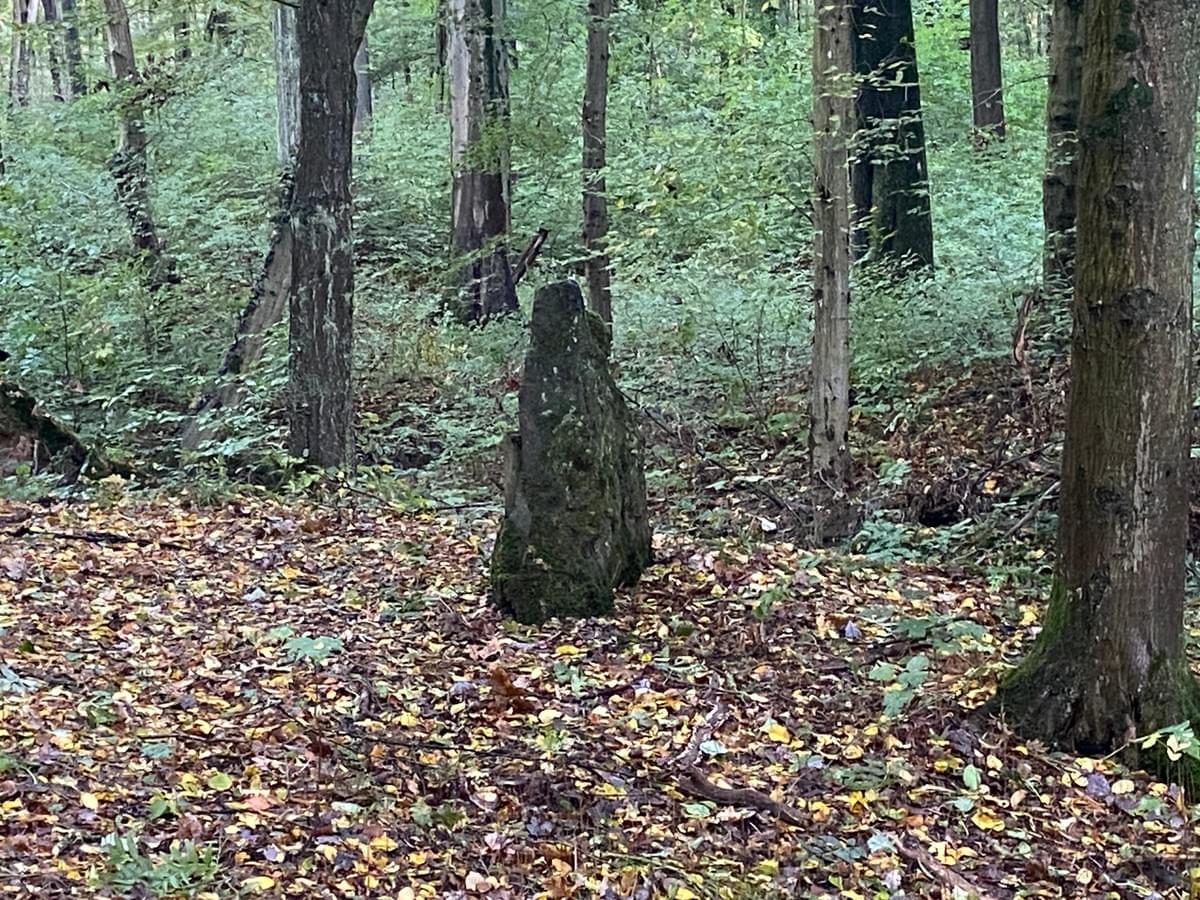
Let’s check the dictionary:
Origin: Borrowed from Anglo-Norman and Old French memorie, and ultimately from the Latin memoria (meaning "the faculty of remembering, remembrance, or memory"), derived from memor ("mindful").
Mindful. Mindfulness. It has been so voguish recently that teacher training days have been known to include a session with a mindfulness coach. But this is not a tick-box exercise to be cheapened thus.
We must not be disconnected from our place in the world and, although part of this is to be aware in the present, we need also be mindful of what has passed and what this way may come. To be removed from the glory of creation, now, then and forever, seems destructive. We have to live here, love here.
“Je t’aimais, je t’aime, je t’aimerai” (Francis Cabrel).