Here on the margins of the Forest, we have three plants with a long Easter association.
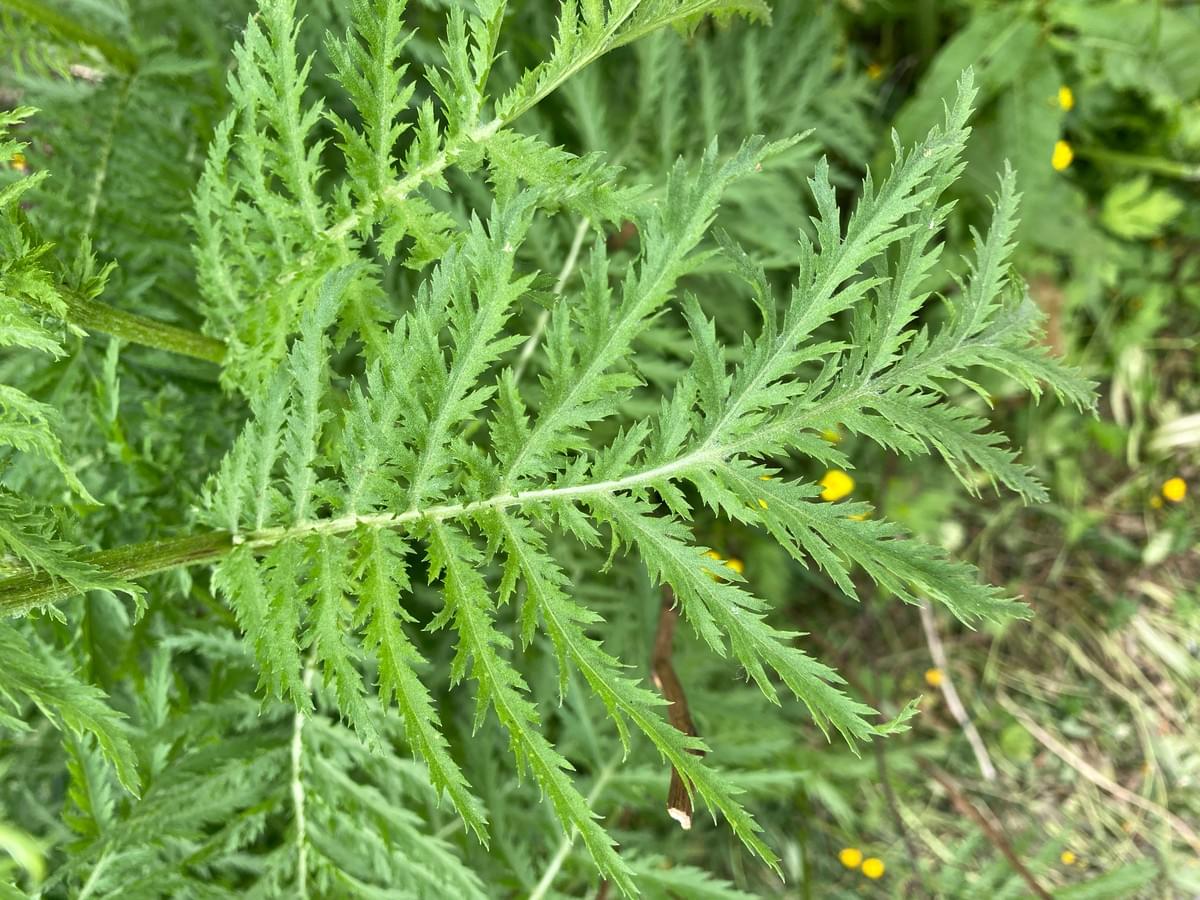
Firstly, Tansy, 𝑇𝑎𝑛𝑎𝑐𝑒𝑡𝑢𝑚 𝑣𝑢𝑙𝑔𝑎𝑟𝑒. Tansy cakes were made at the end of Lent, and for good reason. The bitterness of the herb was taken as a corrective to the long weeks of dried pulse and fish.
There is a clear echo here of the bitter herbs eaten at Passover, a similarly lunar-timed festival, where bitterness is made tangible, a way of tasting the experience of hardship and slavery in Egypt.
Perhaps because it is mildly toxic, its use has fallen by the wayside, which is where the plant itself is so often found.
The second of our Trinity is the north-west European ‘palm’, the Goat Willow, 𝑆𝑎𝑙𝑖𝑥 𝑐𝑎𝑝𝑟𝑒𝑎. With palm fronds difficult to come by, the goat willow has, for centuries, taken their place.
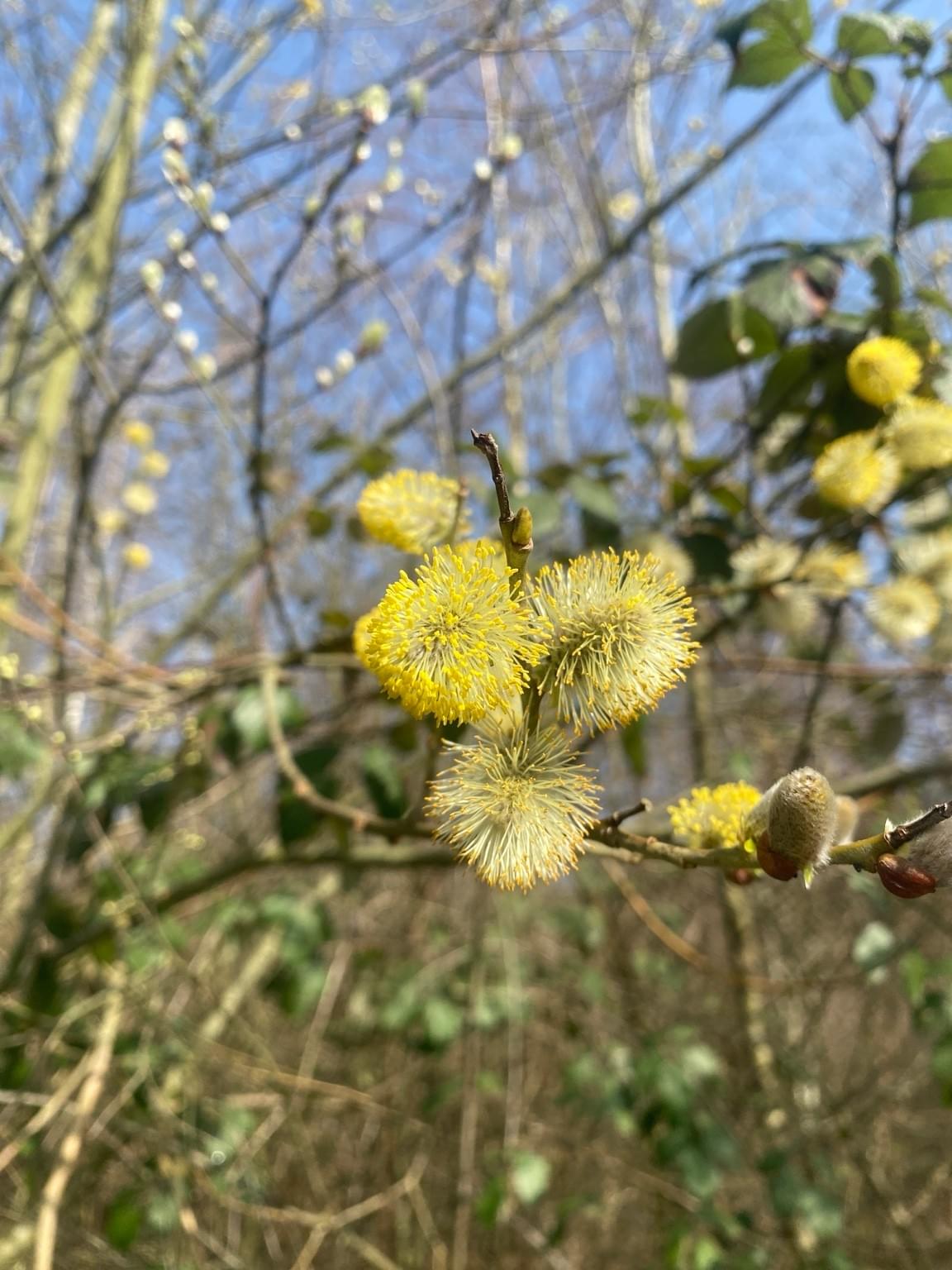
Across Belgium and northern France, willow branches are blessed on Palm Sunday (les rameaux), taken home and kept behind crosses or in fields, and sometimes burned later for Ash Wednesday.
Elsewhere, other plants serve. Olive in the south, laurel in some regions. What matters is not the species, but the act.
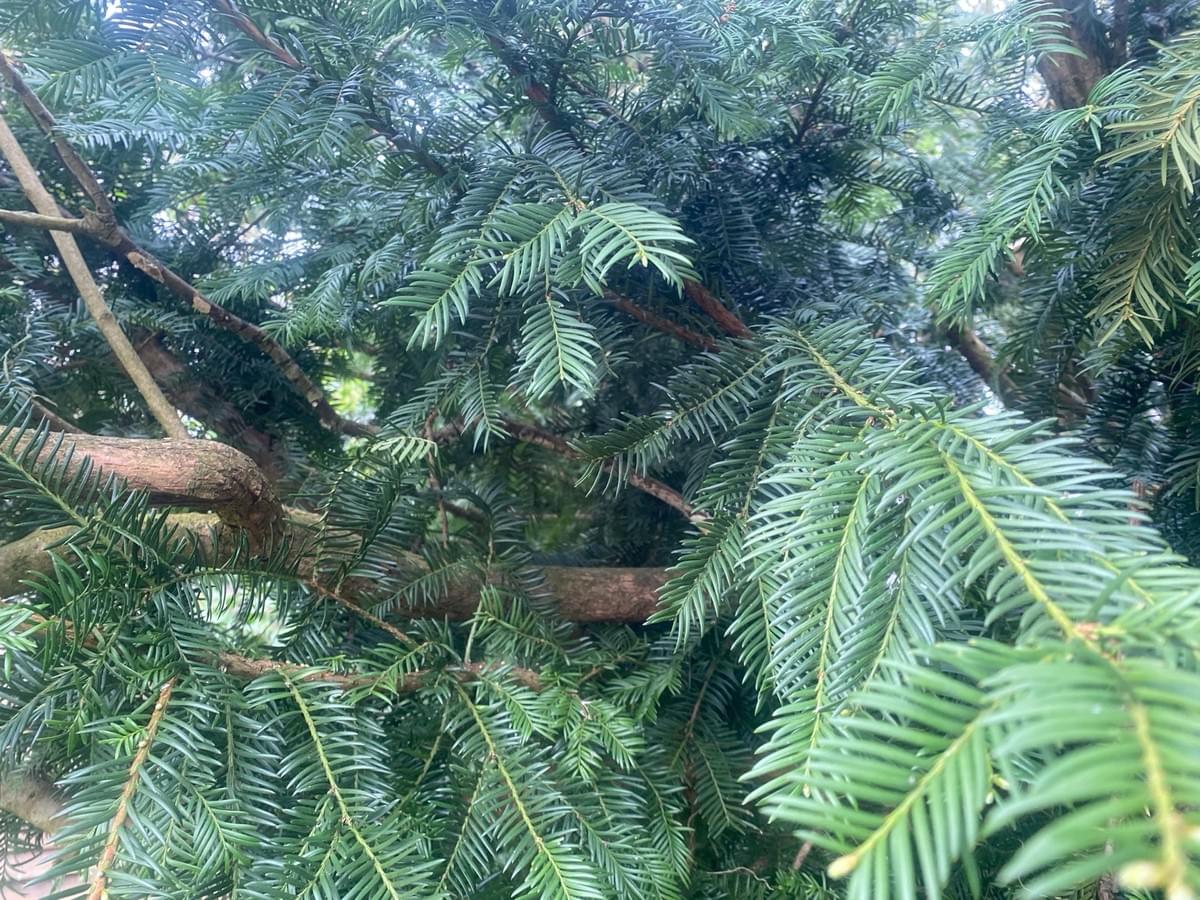
And lastly we have that stalwart of church and graveyard, the Yew, 𝑇𝑎𝑥𝑢𝑠 𝑏𝑎𝑐𝑐𝑎𝑡𝑎. It is a very long-lived evergreen and has become part of the setting in which the idea of resurrection is expressed. It stands and bears witness.