
In the 14th century three Augustinian houses were founded in the Forest; Groenendaal, Rouge-Cloître, Sept Fontaines. In 1784 all were suppressed by Joseph II, ruler of the Austrian Netherlands for being 𝑖𝑛𝑢𝑡𝑖𝑙𝑒𝑠 or useless. In the language of the time this meant that they provided neither education, care for the sick nor some other obvious public service.
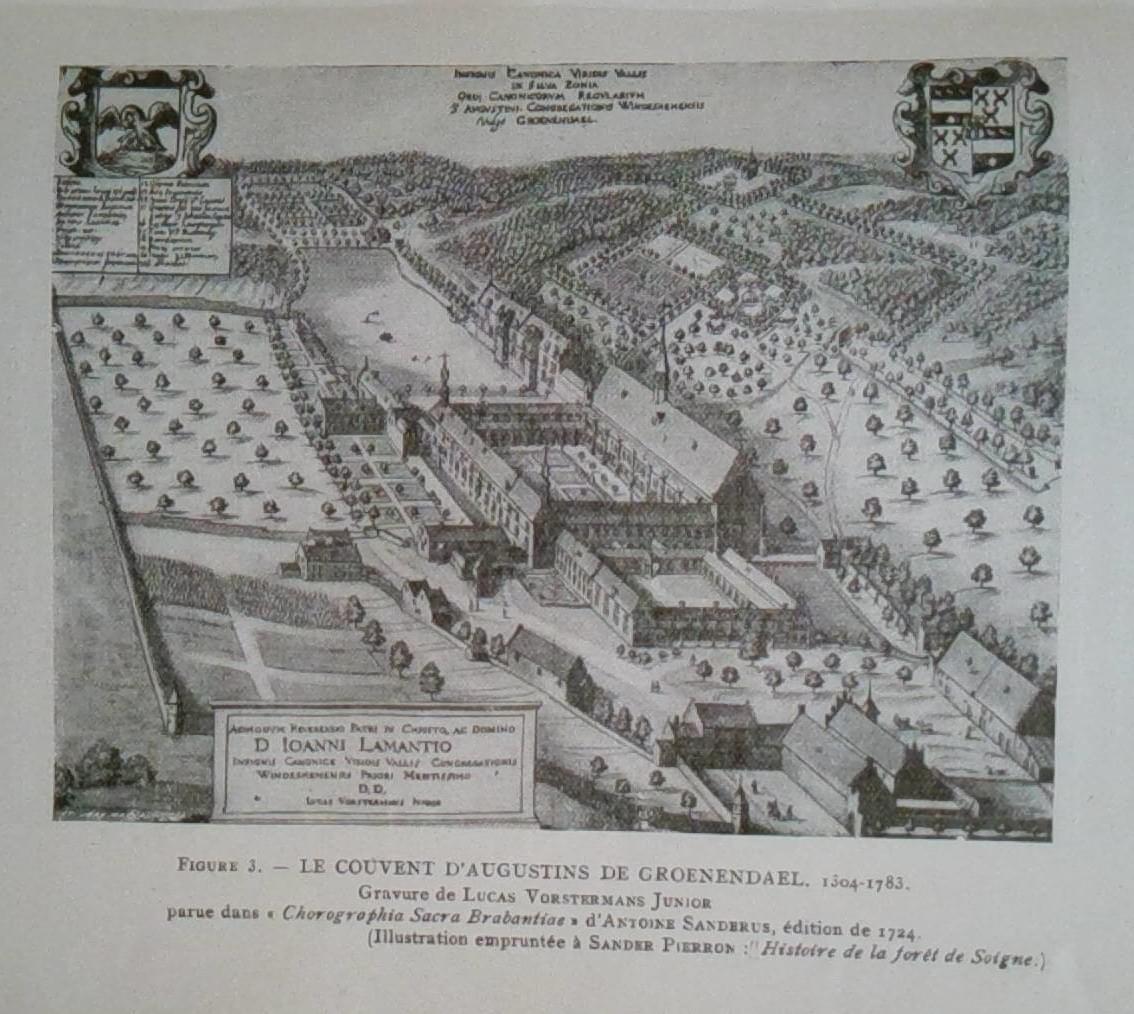
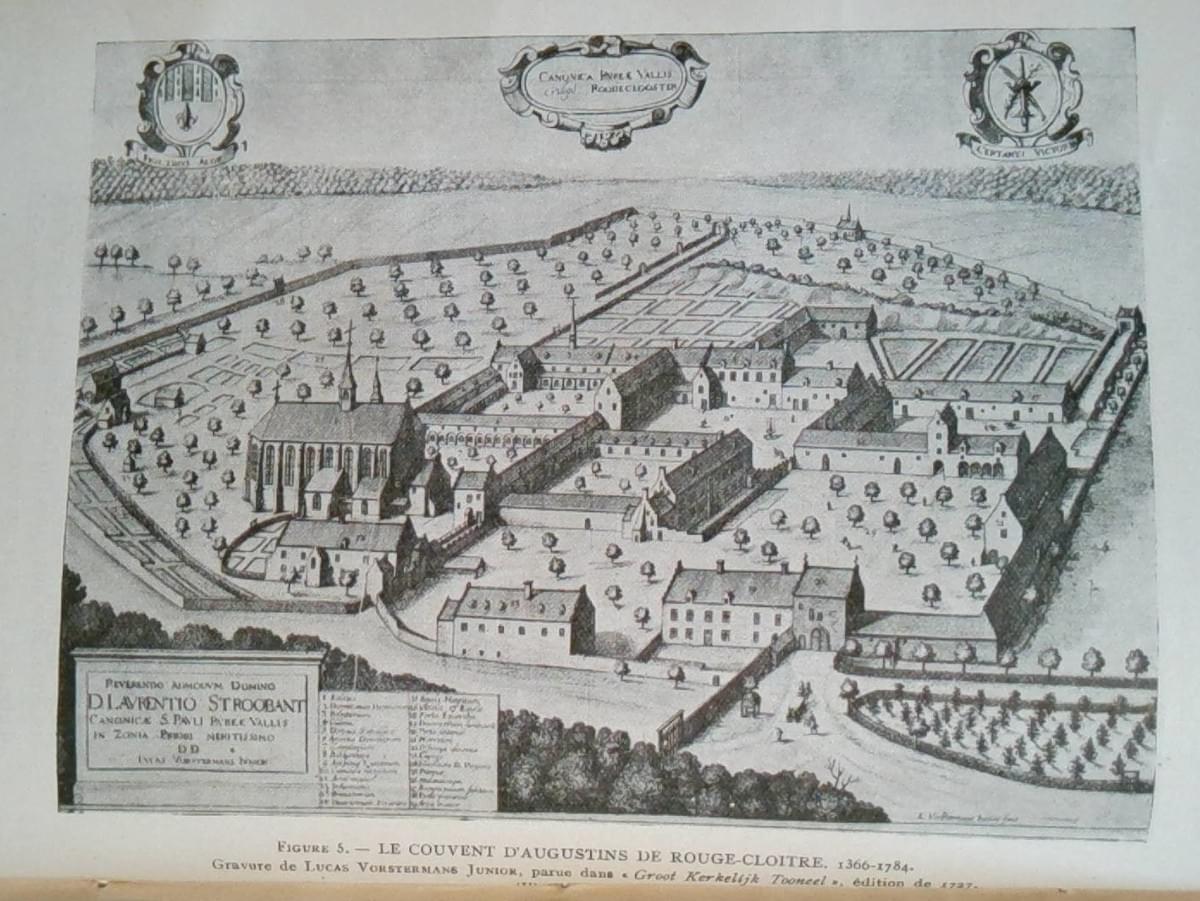
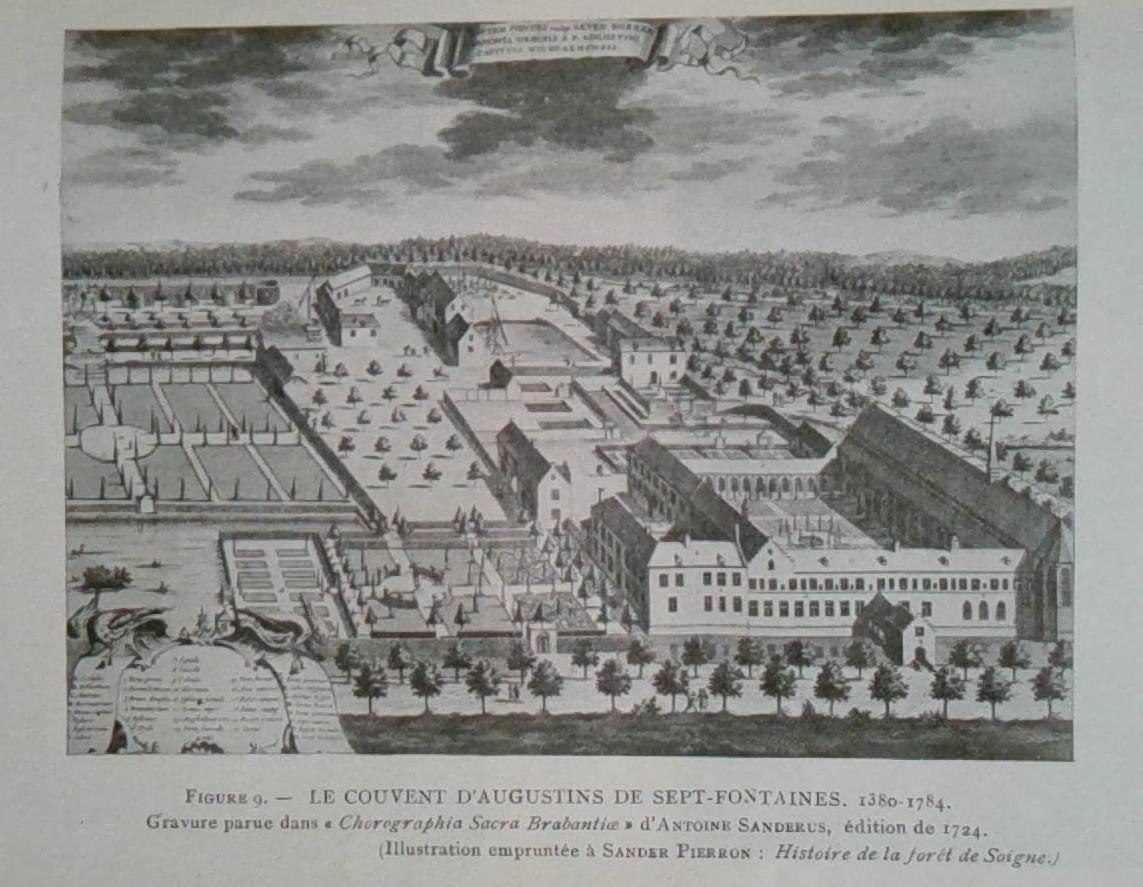
There are some buildings left at Groenendaal, including the dilapidated shell of the church, more extensive and restored buildings at Rouge-Cloître and at Sept Fontaines, a golf course.
The houses were economic powerhouses and shaped the Forest to their needs, the ponds are an obvious legacy of this. Because their ownership ran into centuries, they created long-lived landscapes which are still with us. Bats, newts, the rare bitterling (a type of fresh-water fish), fresh-water mussels and fire salamanders all benefitted and this biodiversity is an inadvertent consequence of their stewardship.
With today’s eye for conservation, perhaps the houses weren’t so useless after all.
Mages taken from 𝐿𝑎 𝐹𝑜𝑟𝑒̂𝑡 𝑑𝑒 𝑆𝑜𝑖𝑔𝑛𝑒𝑠 1920, edited by Stevens and Van Der Swaelmen.