
This Tuesday just gone saw me visiting Saint Hubert’s Chapel in Tervuren. It used to be in the grounds of the Castle, on the little promontory jutting out into Kasteelvijver. This was previously known as the Borgvijver, which means the same - Castle Pond. The castle was demolished in 1782 by Emperor Joseph II; the recovered building materials were sold to help reduce the debts left by his extravagant uncle, Charles of Lorraine, who died in 1780.
He left the chapel alone, as he did the horseshoe-shaped stables nearby, sparing it following protest and for financial reasons.
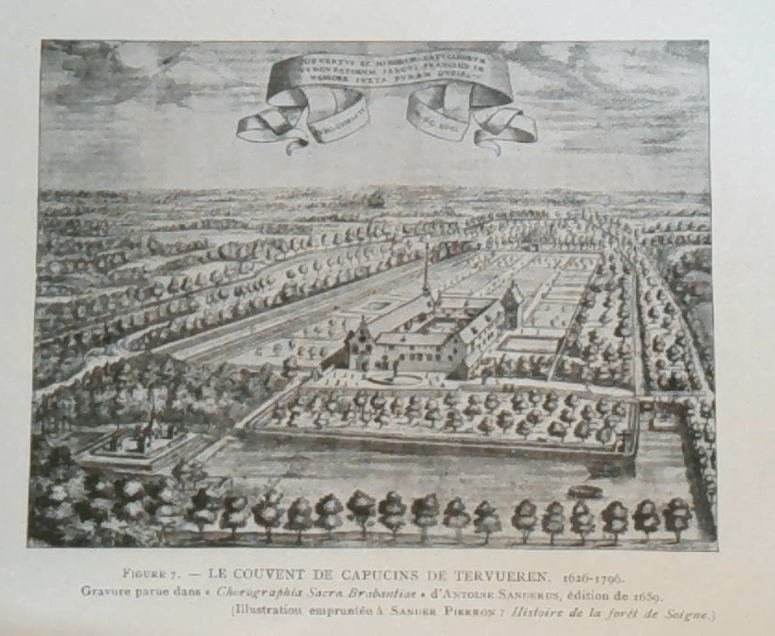
Joseph II was the man who was responsible for the dissolution of the Augustinian houses at Groenendaal, Sept-Fontaines and Rouge Cloître. His reasoning was that they did no useful work in the wider community and that suppressing them would release assets to help parish finances. However, the Capuchin convent was spared because its friars cared for the sick, particularly during times of plague, and preached publicly, going out between bouts of inward contemplation.
It took the French Revolutionary government to see to the convent. It was suppressed in 1796, then publicly sold in 1798, with a condition that the buyers demolish the whole complex within six months.
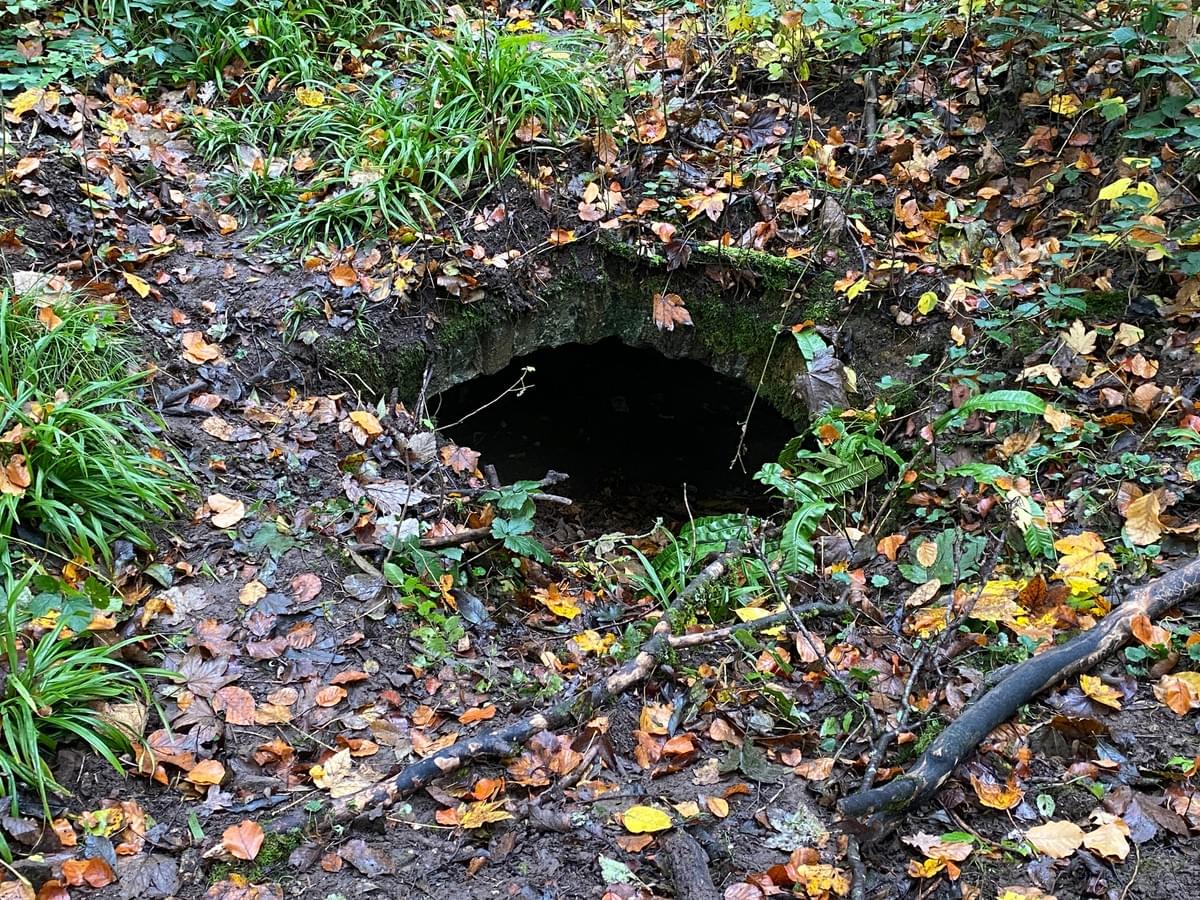
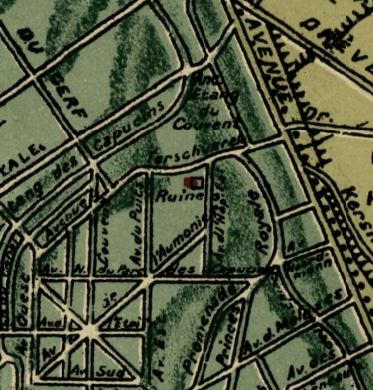
They didn’t demolish the cellars and you can still see a small entrance to them, which is shown in the photo. It’s quite hard to find, not visible from the path, so I will also leave you with an image taken from René Stevens’ first edition of the Carte de la Forêt de Soignes, du Bois des Capucins et du Bois de la Cambre. He knew where it was, certainly.
Here is the text about the Convent from his 1920 collection of monographs entitled ‘La Forêt de Soignes,. The English translation follows.
𝐿𝑒 𝑐𝑜𝑢𝑣𝑒𝑛𝑡 𝑑𝑒𝑠 𝐶𝑎𝑝𝑢𝑐𝑖𝑛𝑠 𝑑𝑒 𝑇𝑒𝑟𝑣𝑢𝑒𝑟𝑒𝑛 (𝐹𝐼𝐺𝑈𝑅𝐸 7) 𝑓𝑢𝑡 𝑙𝑒 𝑑𝑒𝑟𝑛𝑖𝑒𝑟 𝑒́𝑡𝑎𝑏𝑙𝑖𝑠𝑠𝑒𝑚𝑒𝑛𝑡 𝑟𝑒𝑙𝑖𝑔𝑖𝑒𝑢𝑥 𝑓𝑜𝑛𝑑𝑒́ 𝑠𝑢𝑟 𝑙𝑒 𝑡𝑒𝑟𝑟𝑖𝑡𝑜𝑖𝑟𝑒 𝑑𝑒 𝑙𝑎 𝑓𝑜𝑟𝑒̂𝑡 𝑑𝑒 𝑆𝑜𝑖𝑔𝑛𝑒. 𝐿𝑒 𝑡𝑒𝑟𝑟𝑎𝑖𝑛 𝑜𝑢̀ 𝑖𝑙 𝑠’𝑒́𝑙𝑒𝑣𝑎𝑖𝑡 𝑠𝑖𝑡𝑢𝑒́ 𝑎𝑢 𝑚𝑖𝑙𝑖𝑒𝑢 𝑑𝑒 𝑙’𝐸𝑠𝑐ℎ𝑒𝑛𝑑𝑒𝑙 𝑜𝑢 𝑣𝑎𝑙 𝑑𝑒𝑠 𝐹𝑟𝑒̂𝑛𝑒𝑠 𝑙𝑒𝑢𝑟 𝑎𝑣𝑎𝑖𝑡 𝑒́𝑡𝑒́ 𝑑𝑜𝑛𝑛𝑒́ 𝑝𝑎𝑟 𝑙’𝑖𝑛𝑓𝑎𝑛𝑡𝑒 𝐼𝑠𝑎𝑏𝑒𝑙𝑙𝑒, 𝑞𝑢𝑖 𝑝𝑜𝑠𝑎 𝑙𝑎 𝑝𝑟𝑒𝑚𝑖𝑒̀𝑟𝑒 𝑝𝑖𝑒𝑟𝑟𝑒 𝑒𝑛 1626. 𝑆𝑎 𝑐𝑜𝑛𝑠𝑡𝑟𝑢𝑐𝑡𝑖𝑜𝑛 𝑞𝑢𝑖 𝑛𝑒 𝑝𝑟𝑖𝑡 𝑞𝑢’𝑢𝑛𝑒 𝑎𝑛𝑛𝑒́𝑒 𝑠𝑒 𝑓𝑖𝑡 𝑑’𝑎𝑝𝑟𝑒̀𝑠 𝑙𝑒𝑠 𝑝𝑙𝑎𝑛𝑠 𝑑𝑢 𝑝𝑒̀𝑟𝑒 𝐶ℎ𝑎𝑟𝑙𝑒𝑠 𝑑’𝐴𝑟𝑒𝑛𝑏𝑒𝑟𝑔, 𝑝𝑟𝑒𝑚𝑖𝑒𝑟 𝑑𝑖𝑟𝑒𝑐𝑡𝑒𝑢𝑟 𝑑𝑒 𝑙’𝑒́𝑡𝑎𝑏𝑙𝑖𝑠𝑠𝑒𝑚𝑒𝑛𝑡. 𝐿’𝑖𝑛𝑓𝑎𝑛𝑡𝑒 𝑎𝑣𝑎𝑖𝑡 𝑓𝑎𝑖𝑡 𝑒́𝑑𝑖𝑓𝑖𝑒𝑟 𝑢𝑛 𝑝𝑒𝑡𝑖𝑡 𝑒𝑟𝑚𝑖𝑡𝑎𝑔𝑒 𝑎̀ 𝑙’𝑒𝑥𝑡𝑟𝑒́𝑚𝑖𝑡𝑒́ 𝑑𝑒𝑠 𝑗𝑎𝑟𝑑𝑖𝑛𝑠, 𝑜𝑢̀ 𝑒𝑙𝑙𝑒 𝑠𝑒 𝑟𝑒𝑡𝑖𝑟𝑎𝑖𝑡 𝑠𝑜𝑢𝑣𝑒𝑛𝑡 𝑝𝑜𝑢𝑟 𝑚𝑒́𝑑𝑖𝑡𝑒𝑟, 𝑐𝑜𝑢𝑐ℎ𝑒́𝑒 𝑠𝑢𝑟 𝑑𝑒𝑠 𝑛𝑎𝑡𝑡𝑒𝑠 𝑑𝑒 𝑗𝑜𝑛𝑐, 𝑙𝑎 𝑡𝑒̂𝑡𝑒 𝑝𝑜𝑠𝑒́𝑒 𝑠𝑢𝑟 𝑢𝑛 𝑏𝑙𝑜𝑐 𝑑𝑒 𝑏𝑜𝑖𝑠, 𝑙𝑒𝑠 𝑦𝑒𝑢𝑥 𝑓𝑖𝑥𝑒́𝑠 𝑠𝑢𝑟 𝑙𝑒 𝑐𝑟𝑎̂𝑛𝑒 𝑑’𝑢𝑛𝑒 𝑗𝑒𝑢𝑛𝑒 𝑓𝑖𝑙𝑙𝑒 𝑞𝑢’𝑒𝑙𝑙𝑒 𝑎𝑣𝑎𝑖𝑡 𝑎𝑖𝑚𝑒́𝑒. 𝐿𝑒 𝑐𝑜𝑢𝑣𝑒𝑛𝑡 𝑛𝑒 𝑝𝑜𝑢𝑣𝑎𝑖𝑡 𝑟𝑒𝑐𝑒𝑣𝑜𝑖𝑟 𝑝𝑙𝑢𝑠 𝑑𝑒 𝑠𝑒𝑖𝑧𝑒 𝑐𝑎𝑝𝑢𝑐𝑖𝑛𝑠. 𝐼𝑙 𝑒𝑛 𝑠𝑜𝑟𝑡𝑖𝑡 𝑑𝑒𝑠 𝑝𝑟𝑒́𝑑𝑖𝑐𝑎𝑡𝑒𝑢𝑟𝑠 𝑐𝑒́𝑙𝑒̀𝑏𝑟𝑒𝑠. 𝐿’ℎ𝑖𝑠𝑡𝑜𝑖𝑟𝑒 𝑑𝑒 𝑐𝑒𝑡𝑡𝑒 𝑚𝑎𝑖𝑠𝑜𝑛 𝑒𝑠𝑡 𝑠𝑖𝑚𝑝𝑙𝑒 𝑐𝑜𝑚𝑚𝑒 𝑙𝑎 𝑣𝑖𝑒 𝑑𝑒 𝑠𝑒𝑠 ℎ𝑜̂𝑡𝑒𝑠. 𝐸𝑙𝑙𝑒 𝑛𝑒 𝑑𝑢𝑟𝑎 𝑞𝑢’𝑢𝑛 𝑠𝑖𝑒̀𝑐𝑙𝑒 𝑒𝑡 𝑑𝑒𝑚𝑖 : 𝑒𝑛 1796, 𝑙𝑎 𝑅𝑒́𝑝𝑢𝑏𝑙𝑖𝑞𝑢𝑒 𝑓𝑟𝑎𝑛𝑐̧𝑎𝑖𝑠𝑒 𝑠𝑢𝑝𝑝𝑟𝑖𝑚𝑎 𝑙𝑒 𝑚𝑜𝑛𝑎𝑠𝑡𝑒̀𝑟𝑒, 𝑑𝑜𝑛𝑡 𝑜𝑛 𝑎 𝑝𝑒𝑖𝑛𝑒 𝑎𝑢𝑗𝑜𝑢𝑟𝑑’ℎ𝑢𝑖 𝑎̀ 𝑑𝑒́𝑐𝑜𝑢𝑣𝑟𝑖𝑟 𝑙𝑒𝑠 𝑡𝑟𝑎𝑐𝑒𝑠.
The Capuchin convent at Tervueren (FIGURE 7) was the last religious establishment founded within the Forest of Soignes. The land on which it stood, in the midst of the Eschendel, or Valley of the Ash Trees, had been given to the friars by the Infanta Isabella, who laid the foundation stone in 1626. Construction took only a year and followed plans drawn up by Father Charles of Arenberg, the establishment’s first superior.
The Infanta had a small hermitage built at the far end of the gardens, where she often withdrew to meditate, lying on rush mats, her head resting on a block of wood, her eyes fixed on the skull of a young girl whom she had loved.
The convent could accommodate no more than sixteen Capuchins. Several celebrated preachers emerged from its ranks. The history of this house is as simple as the lives of its inhabitants. It lasted only a century and a half: in 1796, the French Republic suppressed the monastery, whose traces can scarcely be discerned today.