and talks a bit

et discute un peu

    Free Bird Song Guide
    • Home
    • About
    • Fancy a Walk?
    • The Daily Bob
    • Reviews
    • Contact
    • โ€ฆ ย 
      • Home
      • About
      • Fancy a Walk?
      • The Daily Bob
      • Reviews
      • Contact

    and talks a bit

    et discute un peu

    • Home
    • About
    • Fancy a Walk?
    • The Daily Bob
    • Reviews
    • Contact
    • โ€ฆ ย 
      • Home
      • About
      • Fancy a Walk?
      • The Daily Bob
      • Reviews
      • Contact
      Free Bird Song Guide

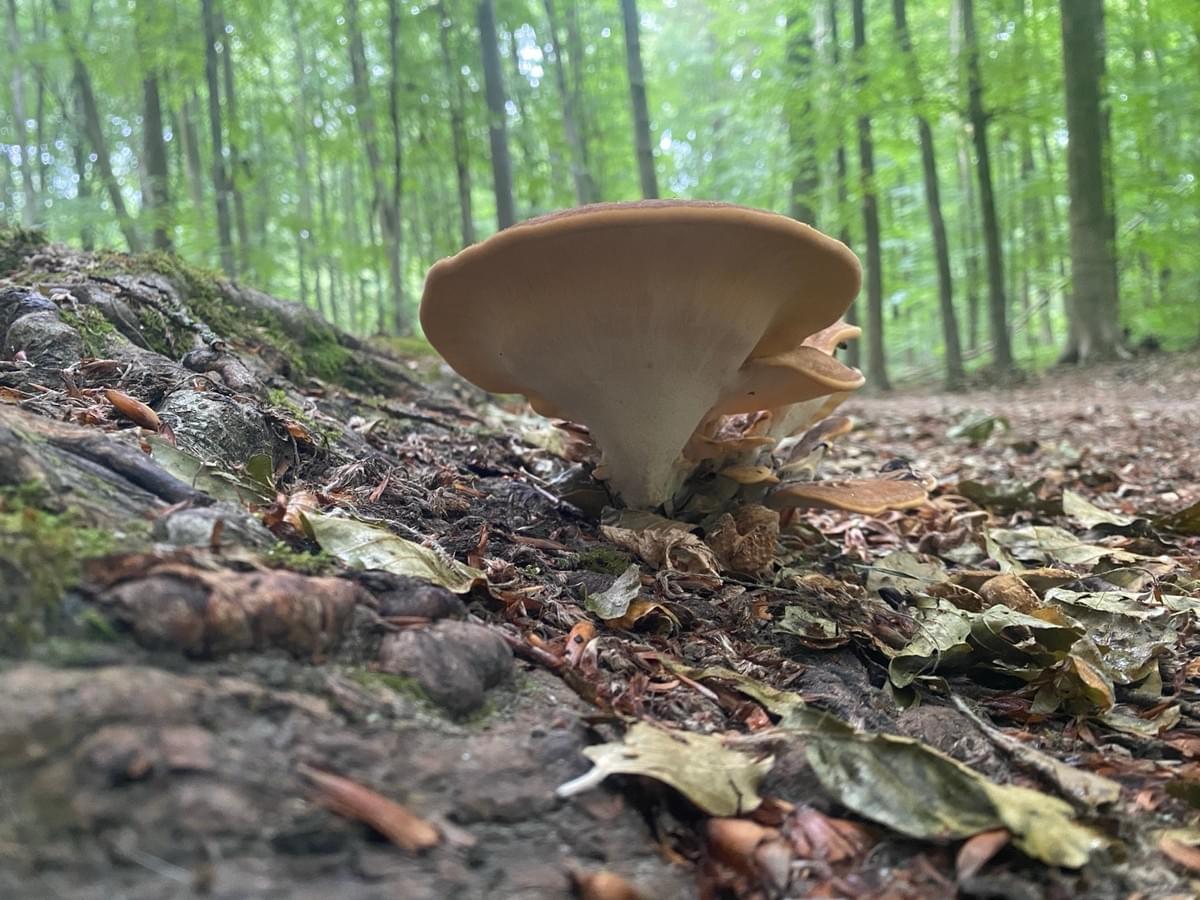
      Black-staining Polypore

      Beech beware!

      Section image

      Here is a young specimen of ๐‘€๐‘’๐‘Ÿ๐‘–๐‘๐‘–๐‘™๐‘ข๐‘  ๐‘”๐‘–๐‘”๐‘Ž๐‘›๐‘ก๐‘’๐‘ข๐‘ , the Black-staining polypore, common enough in the Forest. Later, with age or damage, the tissues first turn brown and then become deep brown or almost black as dark pigments accumulate. These fungi have been used by dyers, producing surprisingly attractive grey, brown and black colours from wool and other fibres.

      Although healthy beech can coexist with this black-hearted fungus, it often is a harbinger of death for the tree.

      Subscribe
      Previous
      Across the pond
      ย Return to site
      Profile picture
      Cancel
      Cookie Use
      We use cookies to improve browsing experience, security, and data collection. By accepting, you agree to the use of cookies for advertising and analytics. You can change your cookie settings at any time. Learn More
      Accept all
      Settings
      Decline All
      Cookie Settings
      These cookies enable core functionality such as security, network management, and accessibility. These cookies canโ€™t be switched off.
      These cookies help us better understand how visitors interact with our website and help us discover errors.
      These cookies allow the website to remember choices you've made to provide enhanced functionality and personalization.
      Save